VISIT DR. ANU SIIDANA'S AASTHA MEDICARE

How to Deal with PCOS Naturally: Symptoms, Causes & Treatment Guide (2026)
Struggling with PCOS? Learn effective ways to manage PCOS symptoms naturally with diet, lifestyle changes, and medical treatment options.
Dr.Anu Sidana
4/15/20264 min read
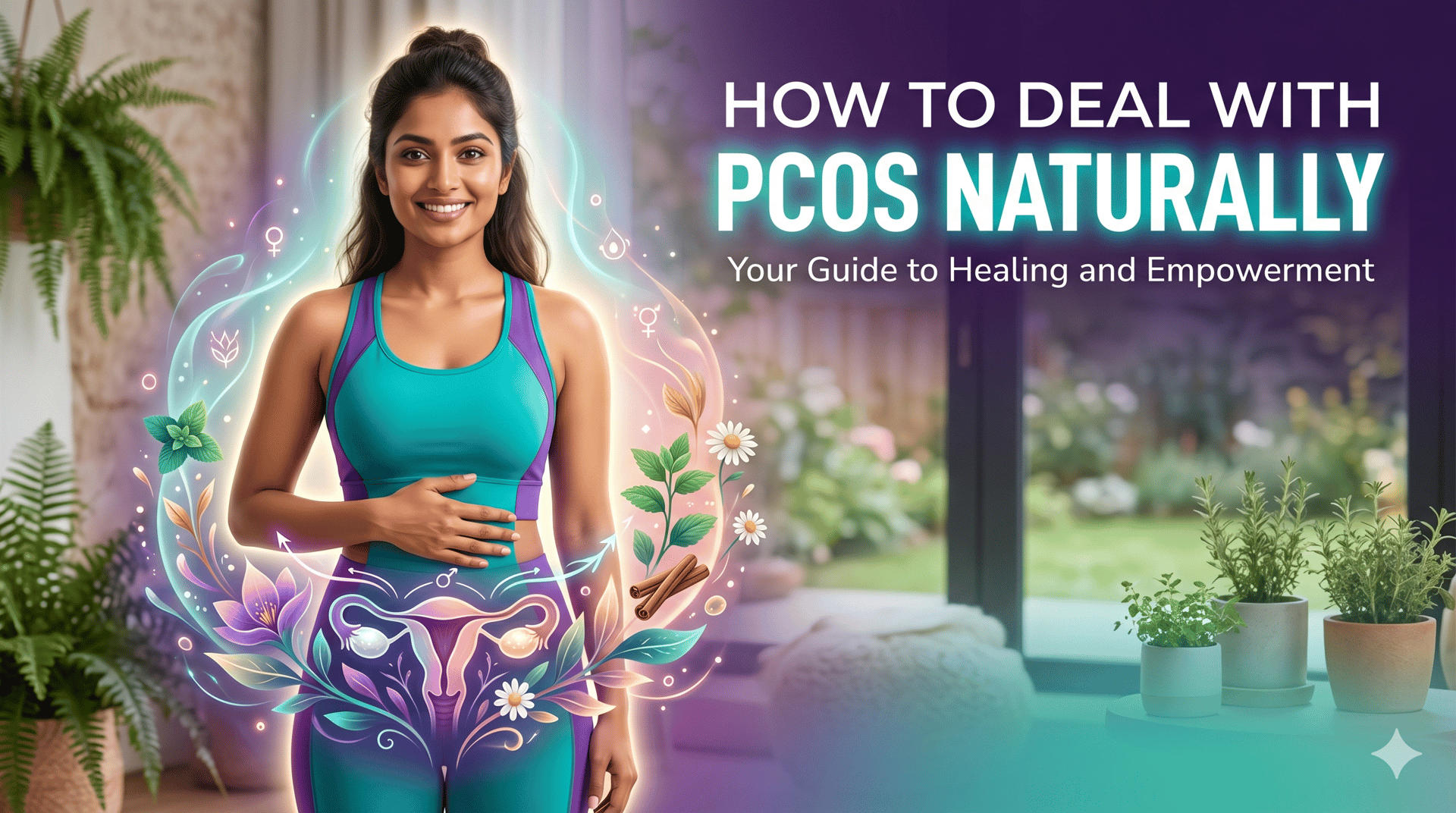

🌸 Introduction
Polycystic Ovary Syndrome (PCOS) is one of the most common hormonal disorders affecting women today. From irregular periods and weight gain to acne and mood swings, PCOS can impact both physical and emotional well-being.
The good news? With the right combination of lifestyle changes, diet, and medical care, PCOS can be managed effectively.
In this guide, you’ll learn how to deal with PCOS naturally, understand its causes, and explore practical steps to regain control of your health.
🧬 What is PCOS?
Polycystic Ovary Syndrome (PCOS) is a hormonal imbalance where the ovaries produce higher-than-normal levels of androgens (male hormones).
This can lead to:
Irregular or missed periods
Difficulty in ovulation
Multiple small cysts on ovaries
Metabolic issues like insulin resistance
PCOS doesn’t have a permanent cure, but it can be managed successfully with the right approach.
Key Signs and Symptoms of PCOS: Physical, Hormonal & Metabolic Indicators
Physical Symptoms:
Irregular periods (infrequent, prolonged, or missed cycles)
Weight gain, especially around the abdomen
Acne and oily skin (often persistent and adult-onset)
Excess facial or body hair (hirsutism) — chin, upper lip, chest
Hair thinning or hair loss (similar to male-pattern baldness)
Dark patches on skin (especially neck, underarms – called acanthosis nigricans)
Hormonal Symptoms:
Elevated androgen (male hormone) levels
Irregular ovulation or lack of ovulation
Difficulty in conceiving (infertility issues)
Worsening of PMS symptoms
Metabolic Symptoms:
Insulin resistance (body doesn’t use insulin effectively)
Increased risk of type 2 diabetes
Cravings for sugar and carbs
Difficulty losing weight despite efforts
High cholesterol levels
Emotional & Psychological Symptoms:
Mood swings
Anxiety or depression
Low self-esteem or body image issues
Fatigue or low energy levels
PCOS Treatment Guide: A Complete Approach to Managing PCOS Effectively
Managing Polycystic Ovary Syndrome (PCOS) requires a long-term, holistic approach rather than a quick fix. Since PCOS affects hormones, metabolism, and reproductive health, treatment focuses on restoring balance across all these areas.
The most effective way to deal with PCOS is by combining lifestyle changes, nutritional support, and medical care when needed.
🥗 1. Nutrition as the Foundation of PCOS Management
Diet is one of the most powerful tools in managing PCOS, especially because many women experience insulin resistance, which worsens hormonal imbalance.
A balanced PCOS-friendly diet focuses on stabilizing blood sugar levels and reducing inflammation in the body.
Instead of following restrictive diets, the goal should be to adopt a low glycemic index (GI) eating pattern, which prevents sudden spikes in blood sugar. Foods like whole grains, fresh vegetables, fruits, and legumes release energy slowly and help maintain hormonal stability.
Protein intake is equally important, as it helps control cravings and supports metabolism. Including sources such as eggs, paneer, tofu, chicken, and pulses can make meals more balanced and satisfying.
Healthy fats—like those found in nuts, seeds, and olive oil—also play a key role in hormone production and should not be avoided.
On the other hand, highly processed foods, sugary snacks, and refined carbohydrates can worsen insulin resistance and should be limited. Instead of eliminating foods completely, a sustainable approach is to reduce frequency and portion sizes.
🏃♀️2. The Role of Exercise in Hormonal Balance
Regular exercise helps the body use insulin more effectively, which in turn reduces excess androgen levels (male hormones responsible for many PCOS symptoms like acne and hair growth).
A combination of cardio and strength training works best. Activities such as brisk walking, cycling, or jogging improve cardiovascular health, while strength training builds muscle mass, which enhances metabolism.
Additionally, practices like yoga and stretching can help reduce cortisol (stress hormone) levels, which is particularly important because stress can worsen PCOS symptoms.
The key is consistency—engaging in physical activity for at least 30 to 45 minutes most days of the week can lead to noticeable improvements over time.
⚖️ 3. Sustainable Weight Management
Weight management is often recommended for women with PCOS, but it’s important to approach it in a healthy and realistic way.
Even a modest reduction in weight—around 5 to 10 percent of total body weight—can significantly improve menstrual regularity, ovulation, and insulin sensitivity.
However, extreme dieting or rapid weight loss methods can disrupt hormones further and should be avoided. Instead, gradual and sustainable lifestyle changes are far more effective in the long run.
It’s also important to note that not all women with PCOS are overweight. Even those with a normal weight may experience insulin resistance and should focus on overall metabolic health rather than just weight.
🧘♀️ 4. Stress Management and Sleep Regulation
Hormonal balance is closely linked to mental well-being. Chronic stress increases cortisol levels, which can interfere with insulin function and reproductive hormones.
Incorporating stress-management techniques into daily life can have a significant impact on PCOS symptoms. Practices such as meditation, deep breathing exercises, journaling, or simply engaging in relaxing activities can help regulate stress levels.
Sleep is another critical factor. Poor sleep can worsen insulin resistance and increase hunger hormones, making symptoms harder to manage. Maintaining a consistent sleep schedule and aiming for 7–8 hours of quality sleep each night is essential.
🍵 5. Natural Remedies and Supportive Supplements
Certain natural remedies may support PCOS management when used alongside a healthy lifestyle.
For example, spearmint tea has been linked to reduced androgen levels, which may help with symptoms like excess facial hair. Cinnamon is known to improve insulin sensitivity, while omega-3 fatty acids can help reduce inflammation in the body.
Vitamin D deficiency is also common in women with PCOS, and correcting this deficiency may improve symptoms.
However, it’s important to understand that these remedies are supportive, not curative, and should always be used under medical guidance.
💊 6. Medical Treatment Options
In many cases, lifestyle changes alone may not be sufficient, and medical treatment becomes necessary.
Doctors may prescribe hormonal contraceptives to regulate menstrual cycles and reduce androgen levels. Medications like Metformin are often used to improve insulin sensitivity, especially in women with metabolic symptoms.
For those trying to conceive, fertility treatments that stimulate ovulation may be recommended. Additionally, anti-androgen medications can help manage symptoms like acne and excessive hair growth.
Medical treatment is usually tailored to the individual, depending on their symptoms and goals, whether it is cycle regulation, symptom control, or fertility.
🧑⚕️ 7. Importance of a Personalized Treatment Plan
PCOS does not present the same way in every individual, which is why a one-size-fits-all approach does not work.
An effective treatment plan should be personalized, taking into account:
Symptom severity
Age and lifestyle
Reproductive goals
Underlying metabolic conditions
Working with a qualified healthcare professional ensures that the treatment plan is safe, balanced, and effective.
🚫 What to Avoid During PCOS Treatment
While managing PCOS, certain habits can worsen the condition if not addressed.
Relying on crash diets, skipping meals, or completely cutting out food groups can negatively impact metabolism and hormones. Similarly, a sedentary lifestyle and unmanaged stress can make symptoms more severe over time.
Self-medication or blindly following online remedies without professional advice can also delay proper treatment.
💡 Final Insight
Managing PCOS is not about perfection—it’s about consistency and understanding your body.
Small, sustainable changes in diet, physical activity, and daily habits can gradually restore balance and significantly improve quality of life. With the right approach and guidance, women with PCOS can lead healthy, active, and fulfilling lives.